arXiv preprint 2026
RDDM: A Residual-Driven Drifting Model for High-Fidelity Low-Dose CT Denoising
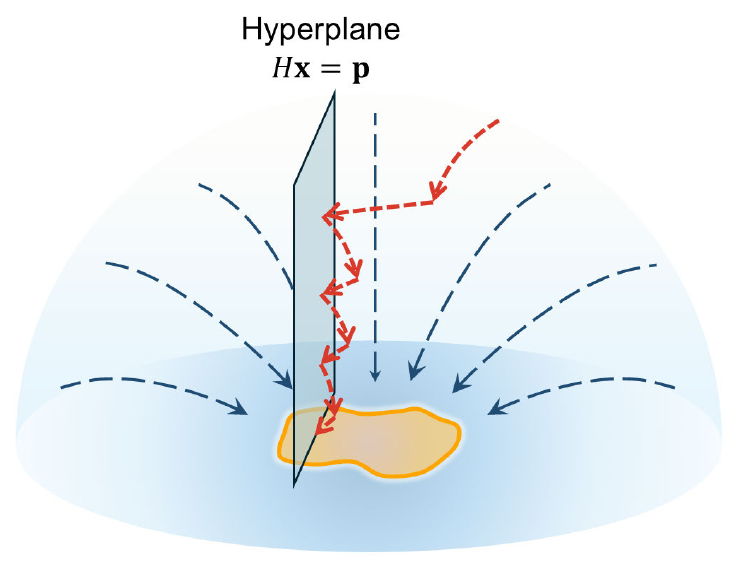
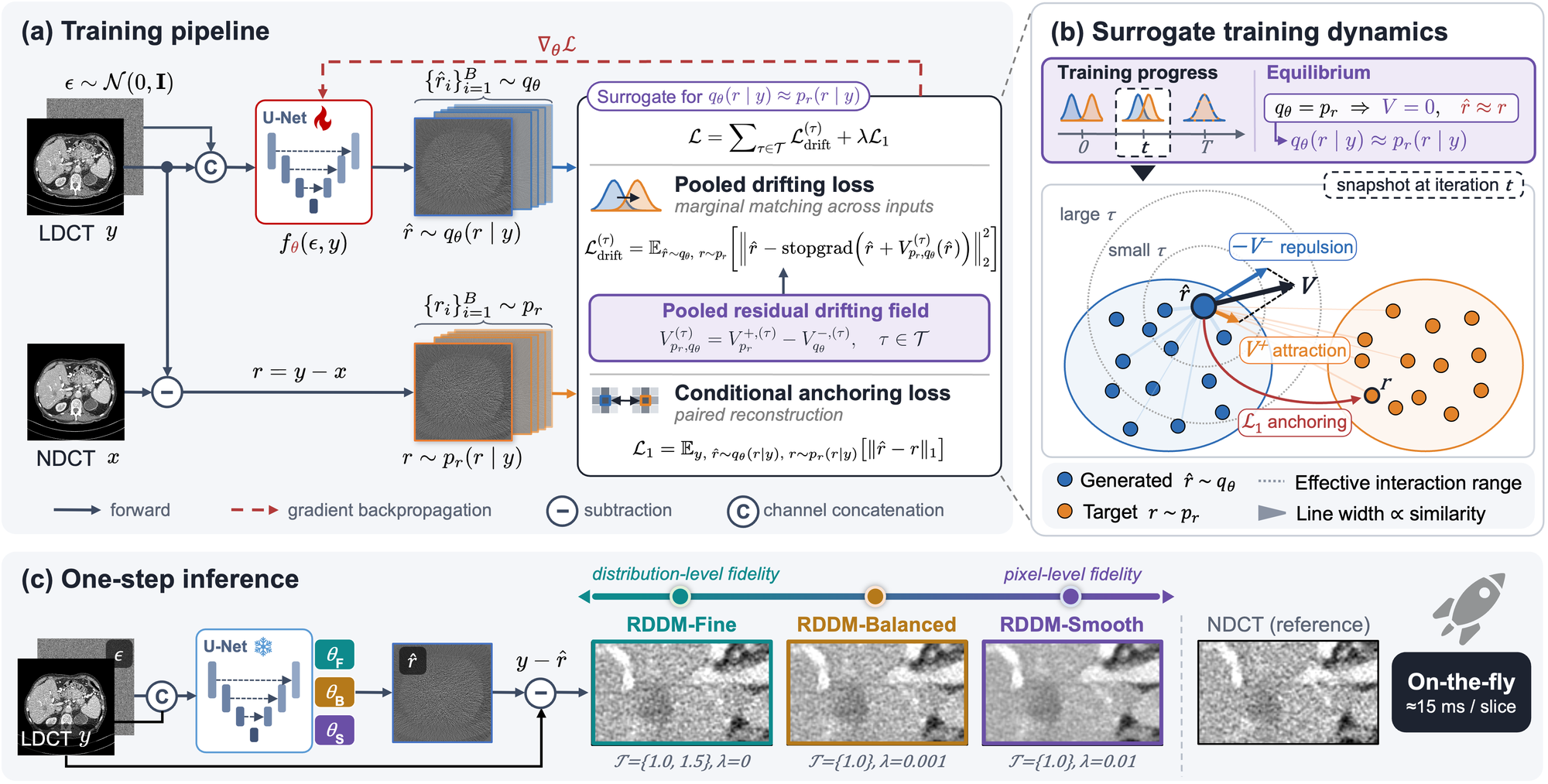
A residual-driven drifting model for low-dose CT that matches residual distributions during training and denoises a slice in a single forward pass.
Source code, trained models and data released by the AI-based X-ray Imaging System (AXIS) Lab at Rensselaer Polytechnic Institute.
4 projects
arXiv preprint 2026
A residual-driven drifting model for low-dose CT that matches residual distributions during training and denoises a slice in a single forward pass.
IEEE Transactions on Medical Imaging 2026
A CT reconstruction framework that combines data fidelity with a Poisson flow generative model (PFGM++), usable for low-dose, sparse-view and metal-artifact tasks without paired training data.
IEEE Transactions on Biomedical Engineering 2026
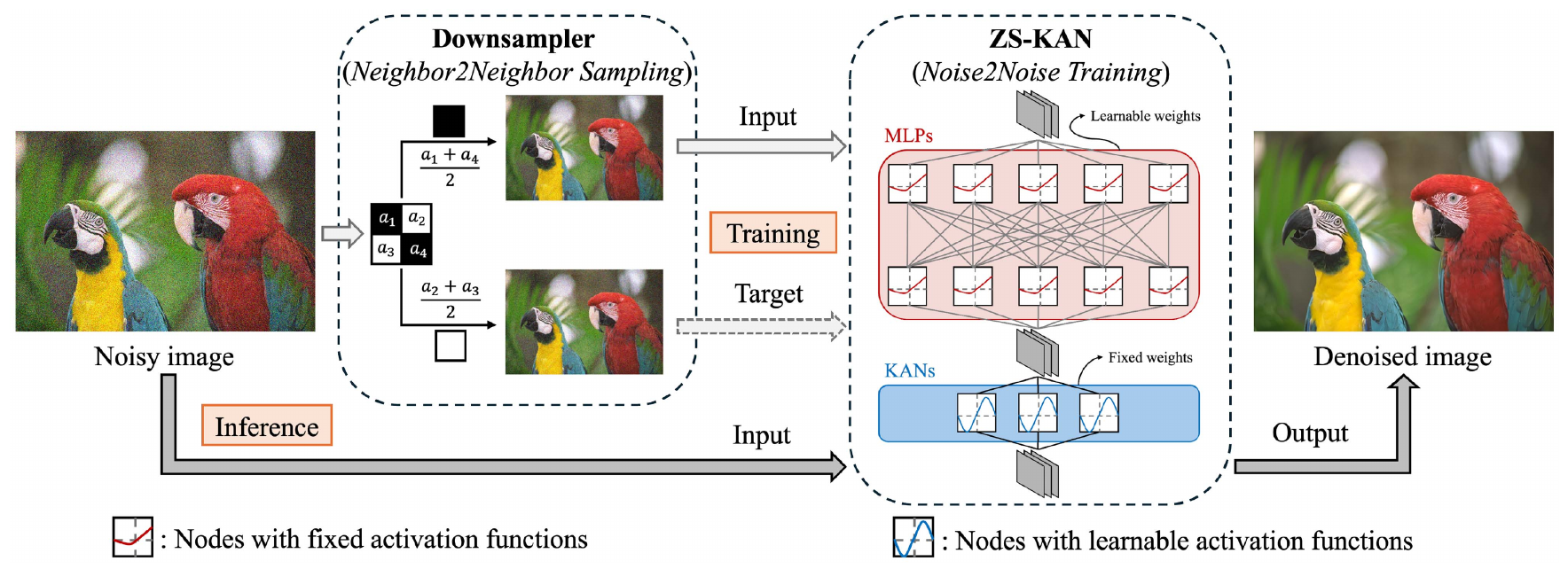
A lightweight zero-shot denoiser that combines convolutions with Kolmogorov–Arnold networks and needs only 1% to 25% of the parameters of comparable methods.
IEEE Transactions on Medical Imaging 2026
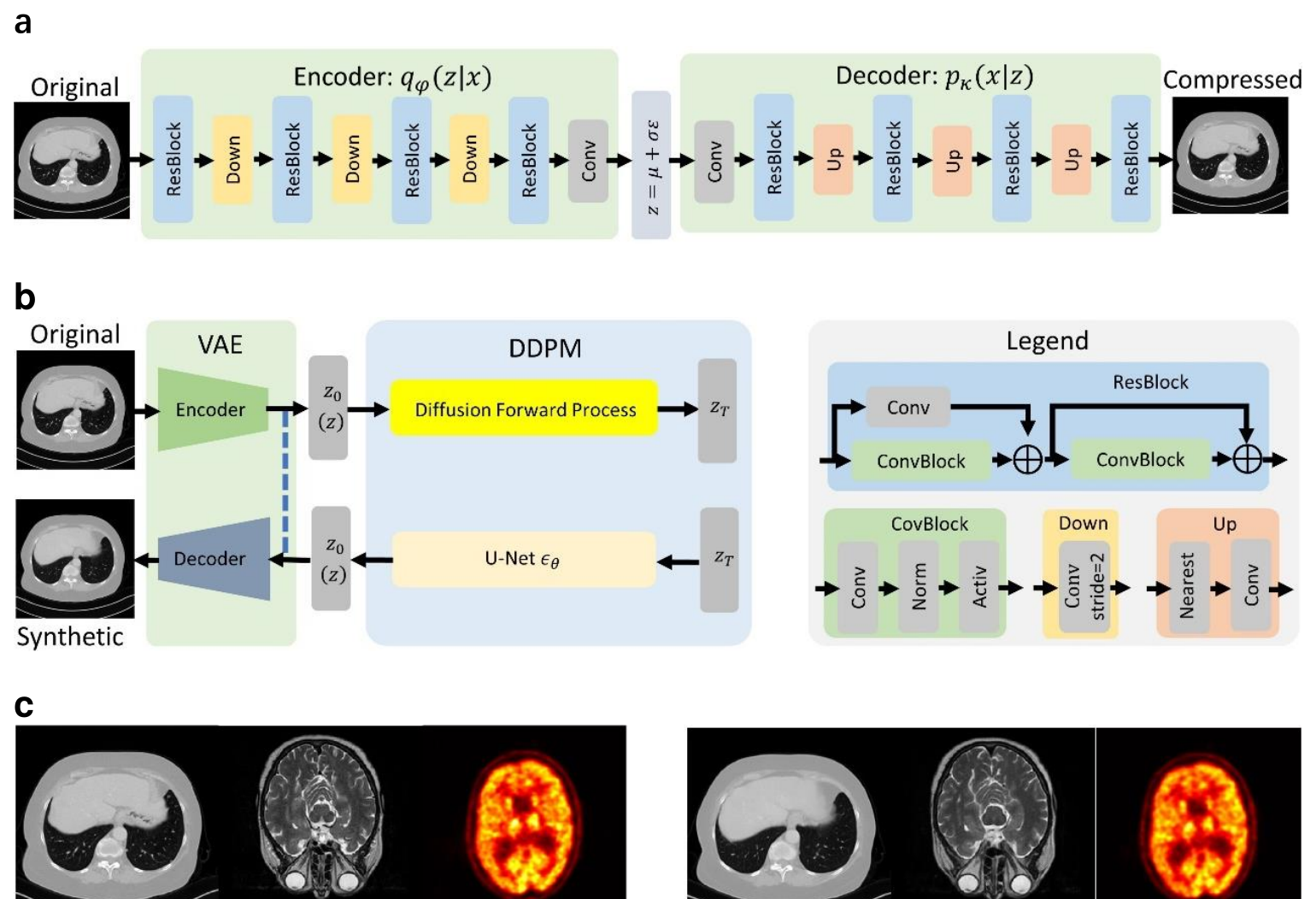
Latent diffusion models generate synthetic CT, MRI and PET images that train denoising and super-resolution networks as well as real data, with a safeguard for patient privacy.
3 projects
arXiv preprint 2025
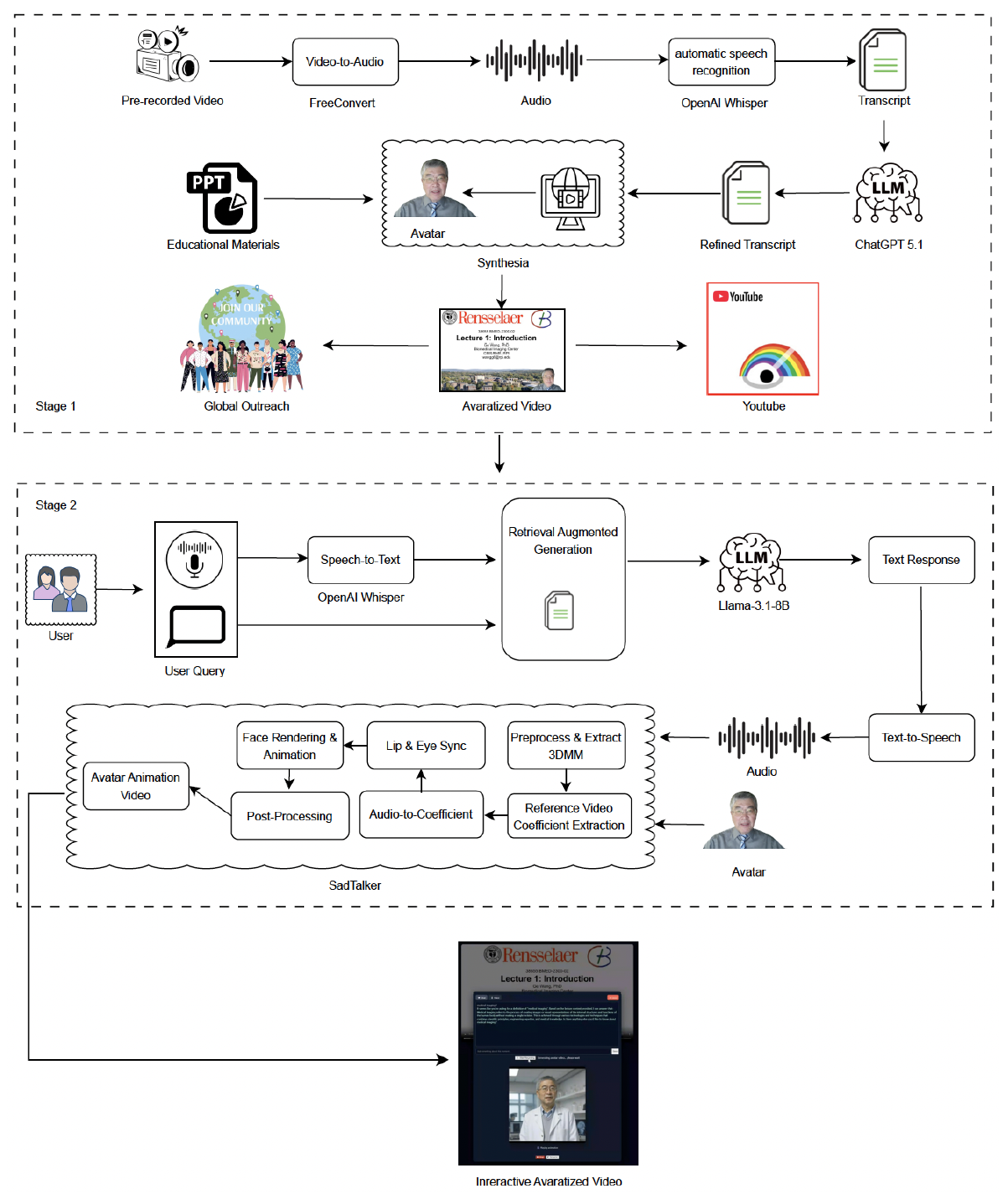
An interactive lecture video system that lets students pause, ask a question by text or voice, and get a lecture-grounded answer, optionally delivered by a talking-head avatar.
Nature Communications 2025
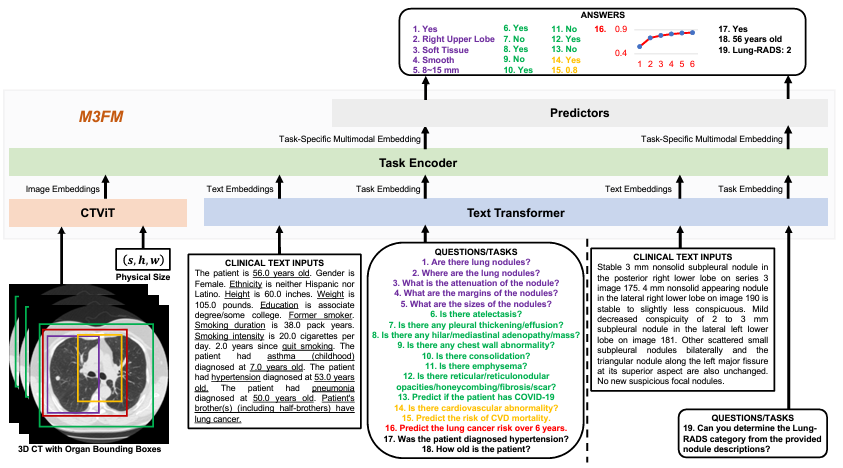
A foundation model that reads 3D low-dose chest CT together with clinical text and answers lung cancer screening questions posed in plain language.
IEEE Transactions on Neural Networks and Learning Systems 2025
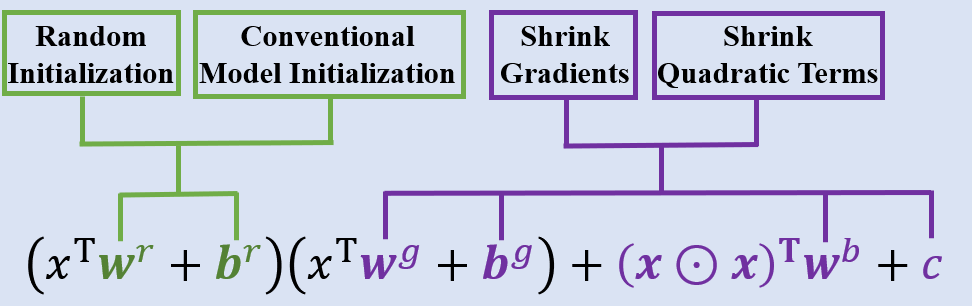
Theory showing why quadratic networks are more expressive than conventional ones, and ReLinear, a training strategy that keeps them from collapsing.
2 projects
Patterns 2024
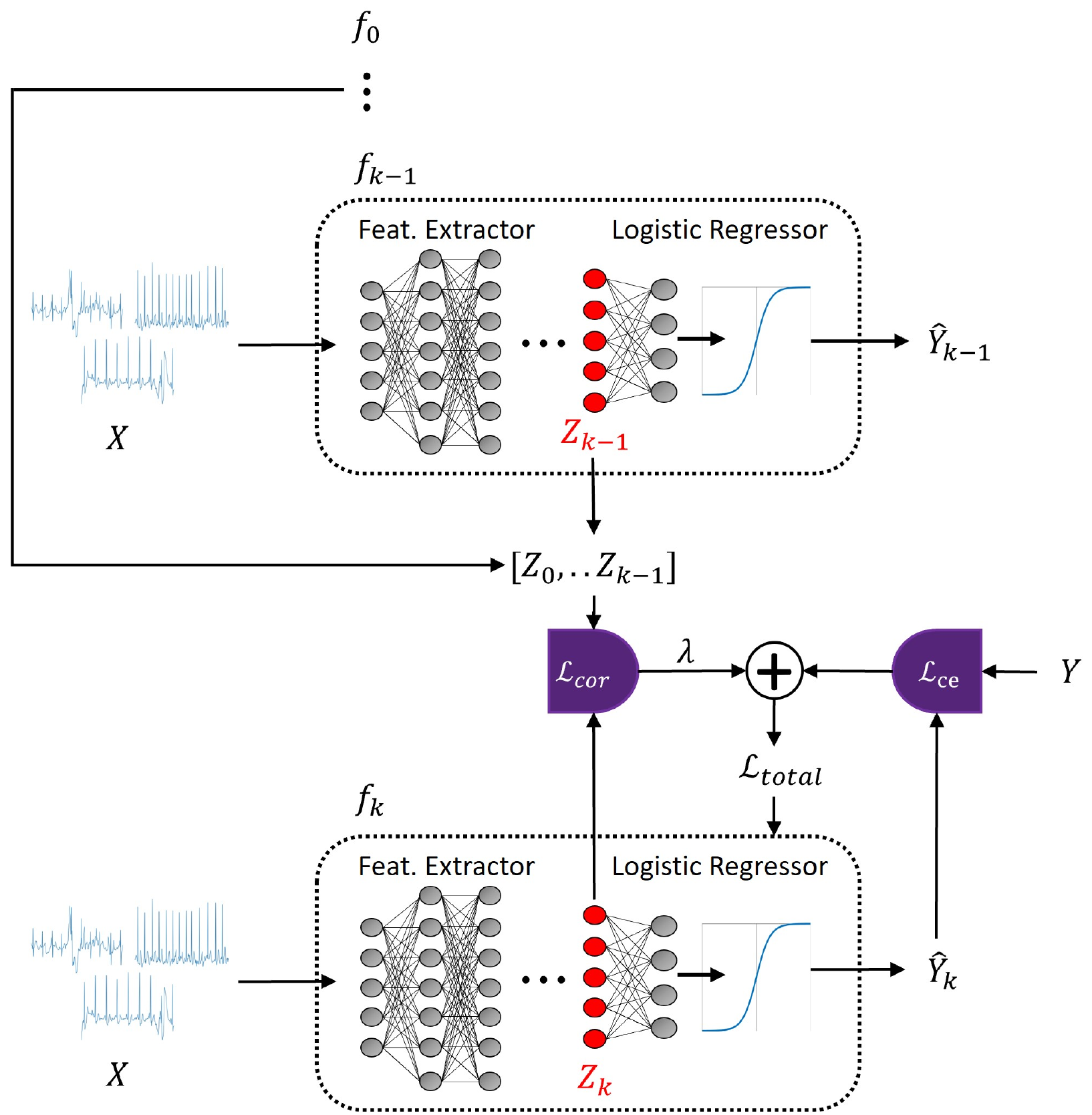
Ensembles trained with feature decorrelation and Fourier partitioning learn diverse features, giving better uncertainty estimates for ECG classification under adversarial attack.
Visual Computing for Industry, Biomedicine, and Art 2024
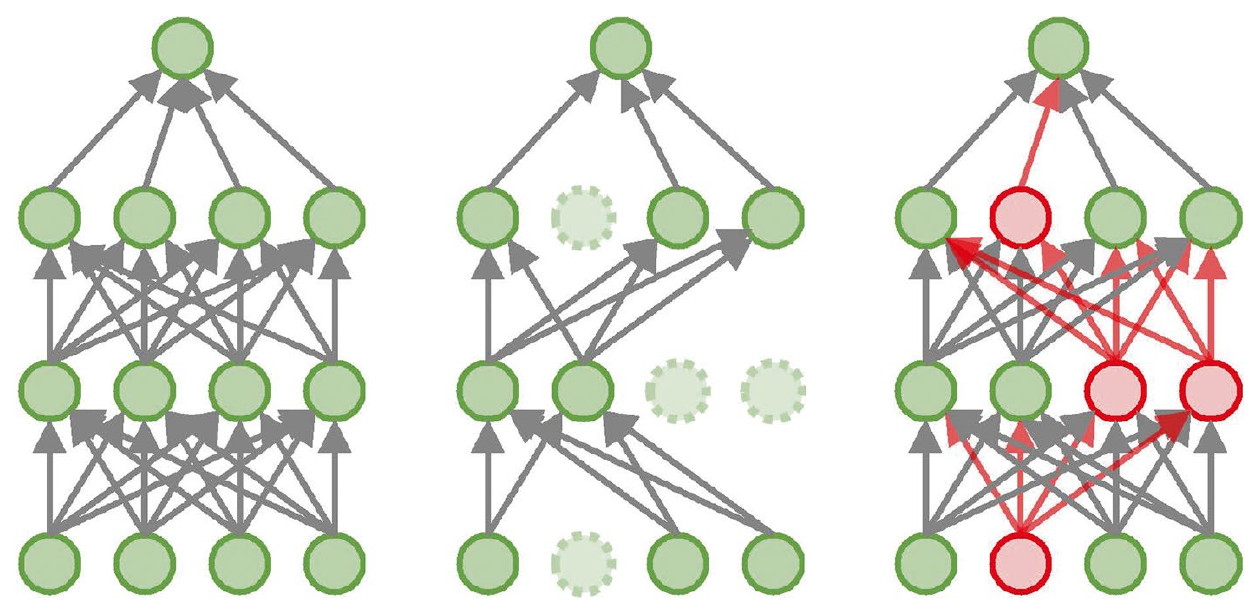
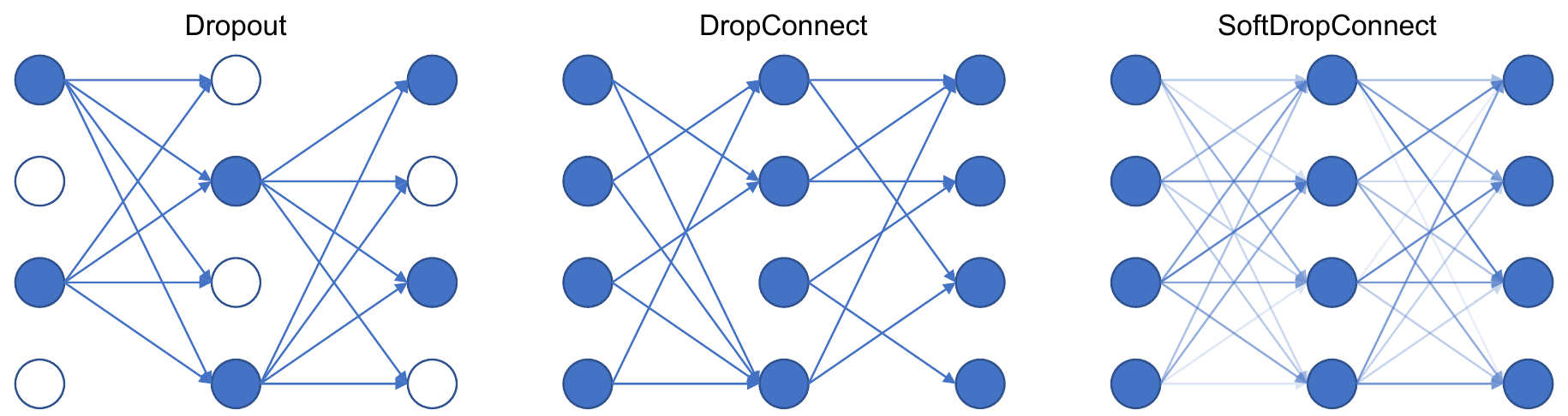
A stronger form of dropout: instead of zeroing selected neurons, Flipover reverses their outputs with a negative multiplier during training.
2 projects
Artificial Intelligence in Medicine 2023
A study of how the training loss affects noise and signal bias when a residual network restores low-dose digital mammograms.
IEEE Transactions on Medical Imaging 2023
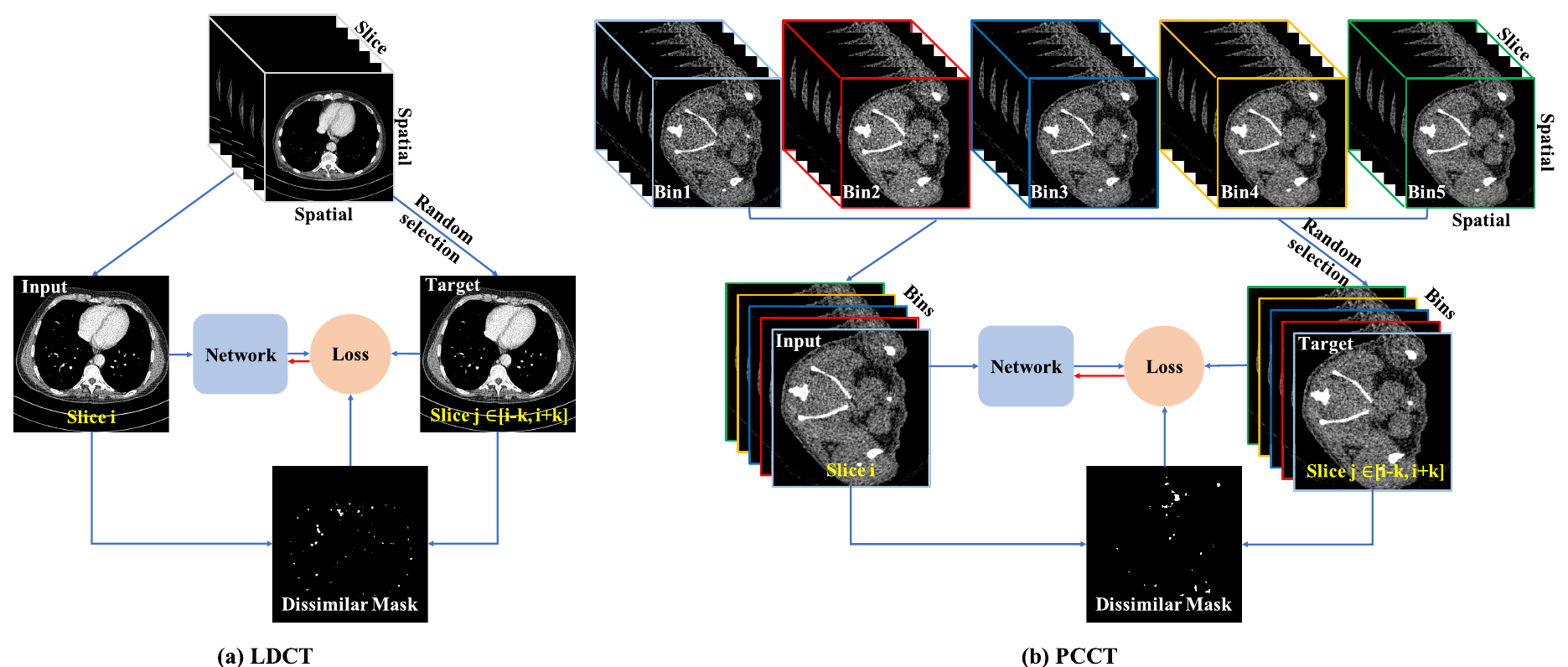
A self-supervised denoising method that learns from similar noisy sub-images instead of clean references, and suppresses both independent and correlated noise.
7 projects
IEEE Transactions on Image Processing 2022
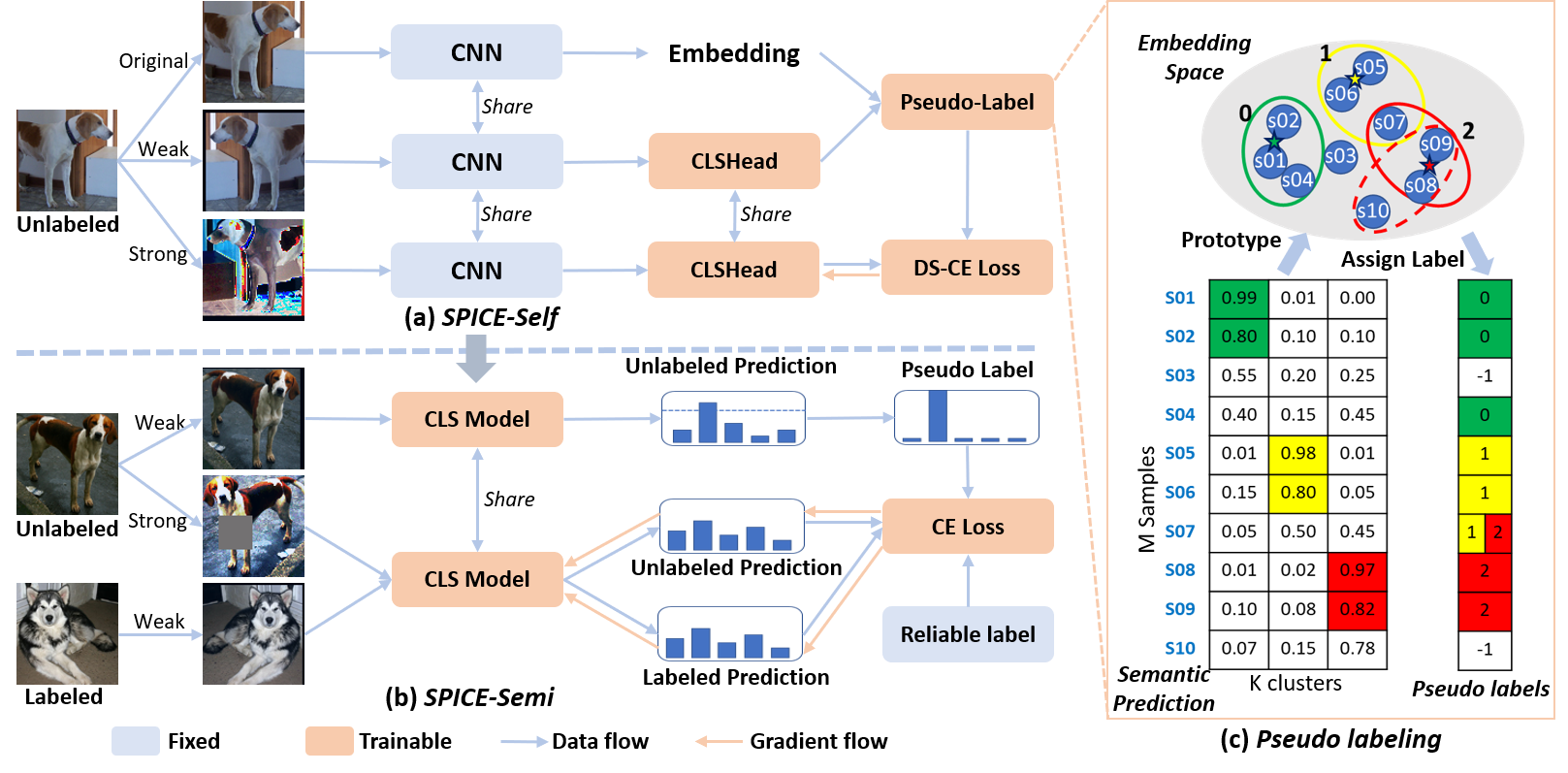
An image clustering framework that separates feature learning from a clustering head and trains it with semantics-aware pseudo-labels, without any annotation.
Patterns 2022
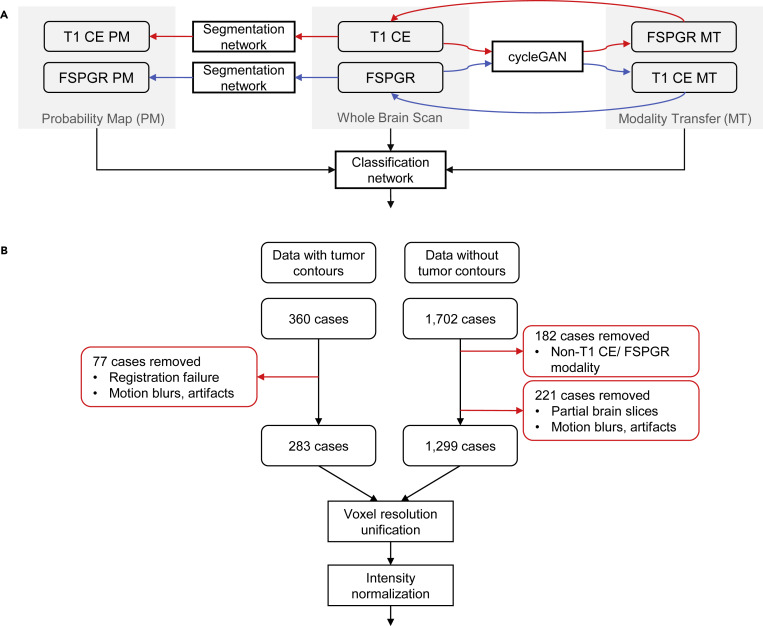
An end-to-end workflow that segments brain metastases on whole-brain MRI and classifies them into five primary organ sites, as a possible non-invasive alternative to biopsy.
Visual Computing for Industry, Biomedicine, and Art 2022
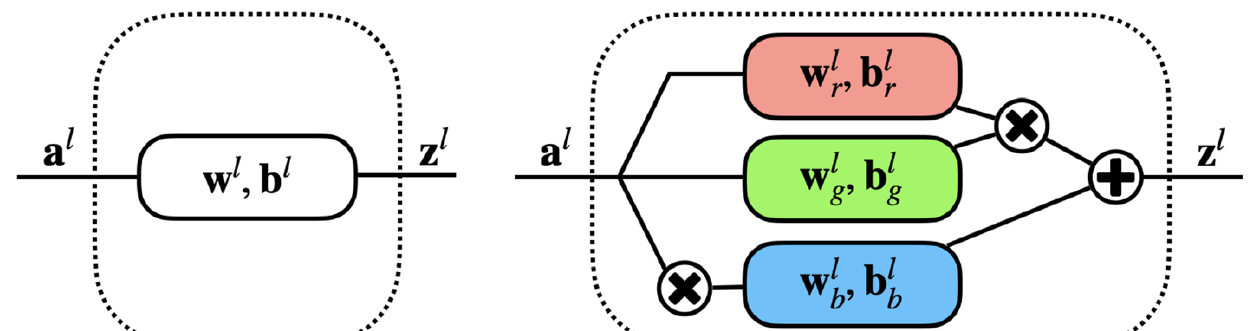
A comparison showing that networks of quadratic neurons classify Gaussian mixture data more effectively and efficiently than conventional networks.
Patterns 2022
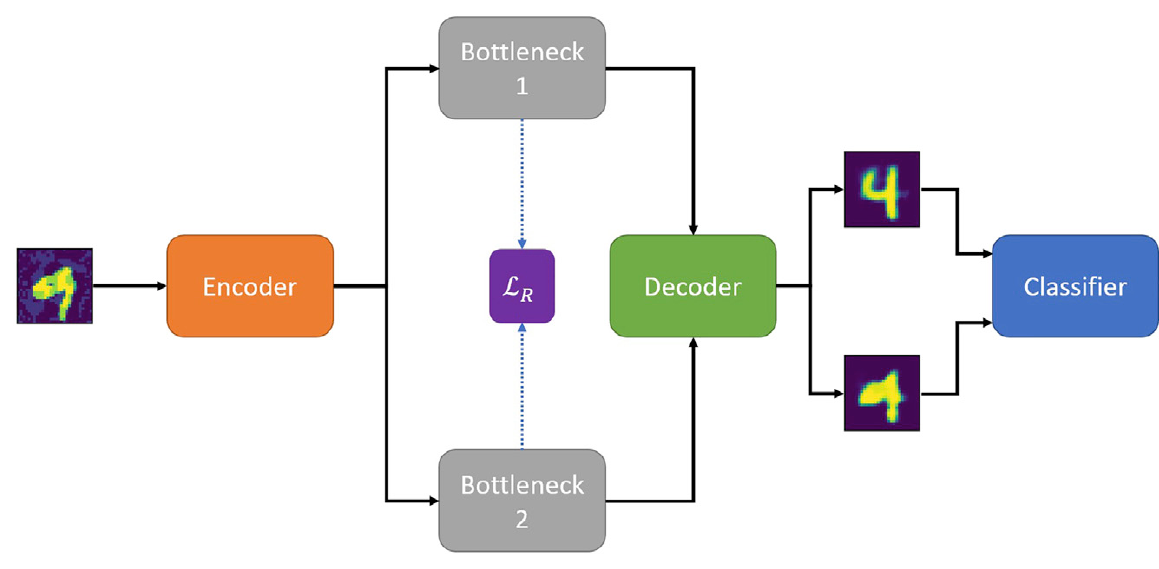
Adversarial examples transfer between models because their features are highly correlated; a dual-neck autoencoder (DNA) trained with a feature correlation loss reduces that transfer.
Physics in Medicine and Biology 2022
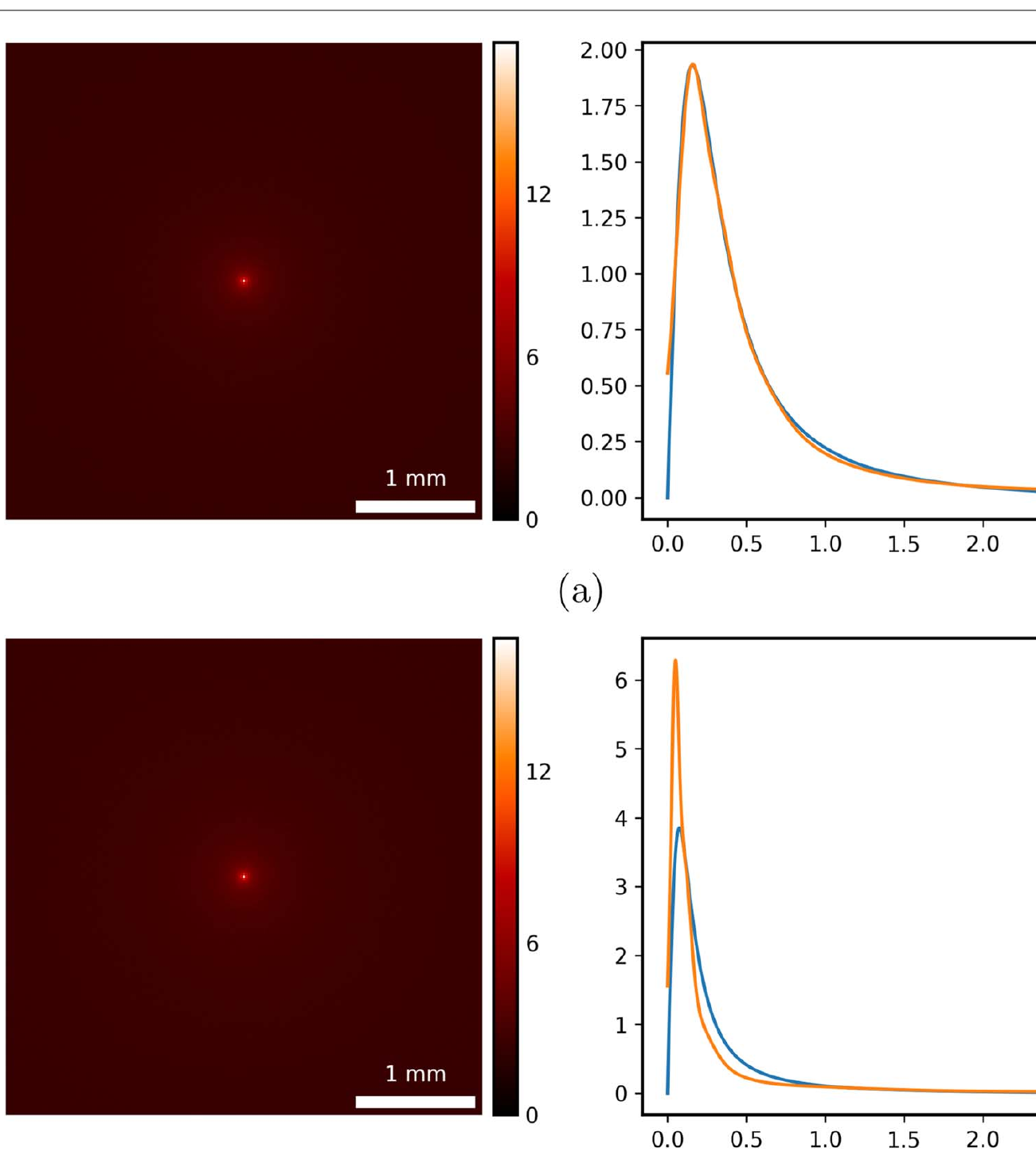
A convolutional network estimates the scattering phase function of tissue directly from one diffuse optical image, without assuming the form of the function.
arXiv preprint 2022
A Bayesian inference method that modulates network parameters continuously instead of switching them off, giving better uncertainty estimates in MR image analysis.
IEEE Transactions on Artificial Intelligence 2022
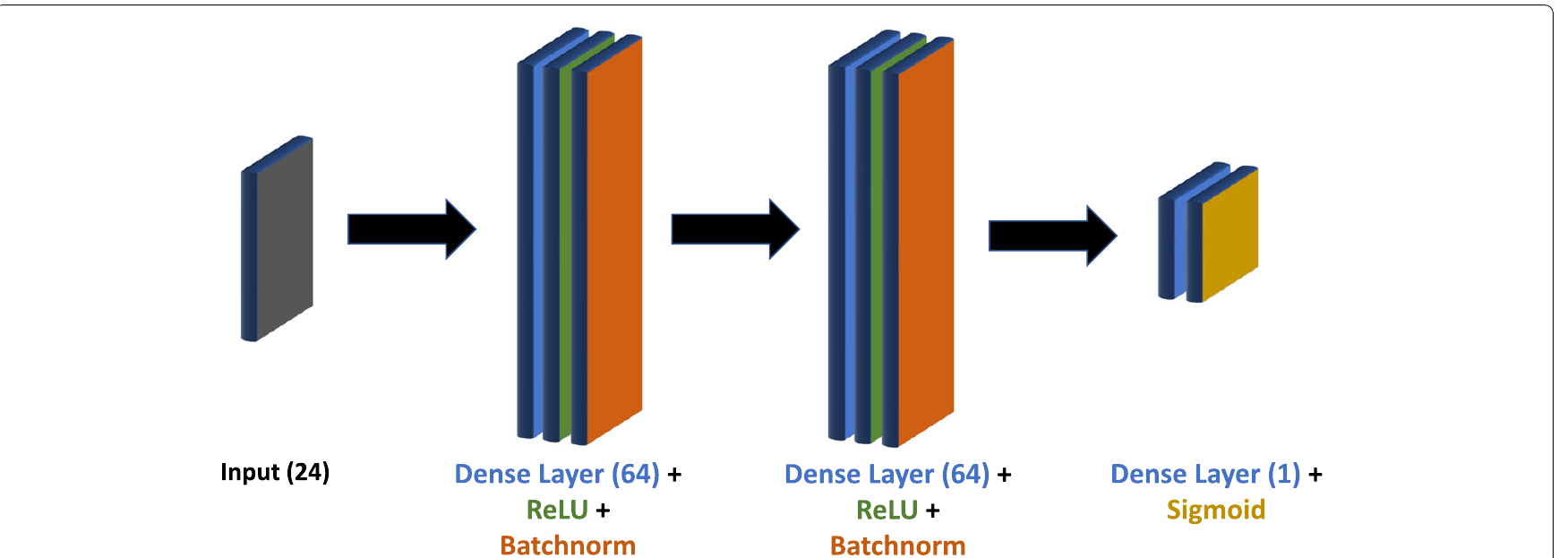
A sparse shortcut topology that makes a one-neuron-wide deep network a universal approximator and generalizes well in practice.
5 projects
Medical Physics 2021
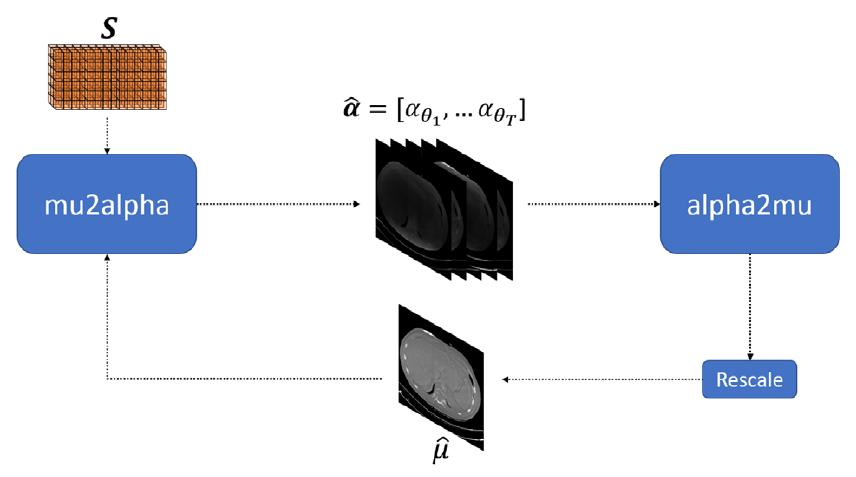
A joint reconstruction of electron density and attenuation images for Compton scatter tomography, using a deep learning model inside an alternating iterative scheme.
IEEE Transactions on Medical Imaging 2021
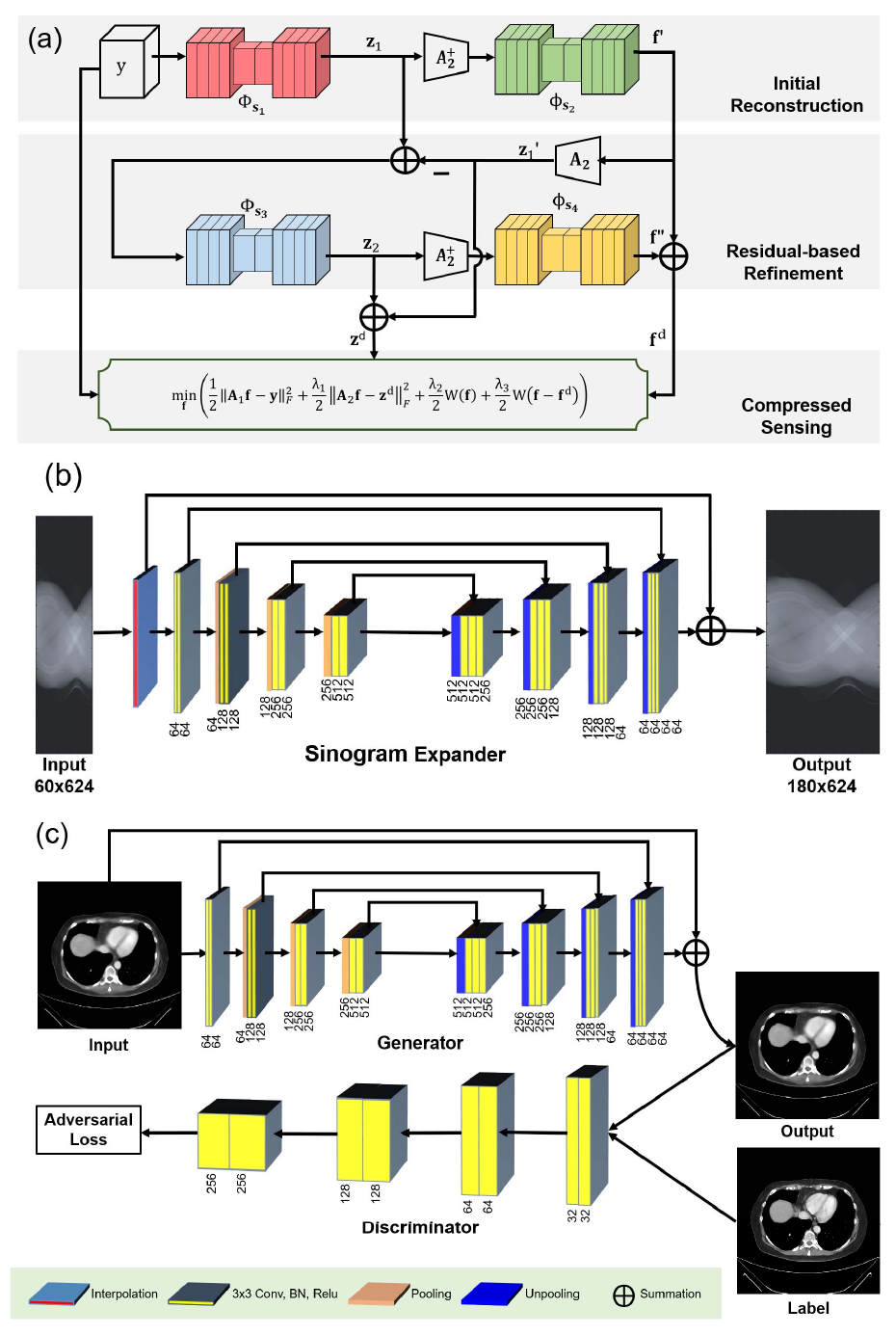
A three-module network that works in both the sinogram and image domains to reconstruct CT images from only a few projection views.
IEEE Transactions on Medical Imaging 2021
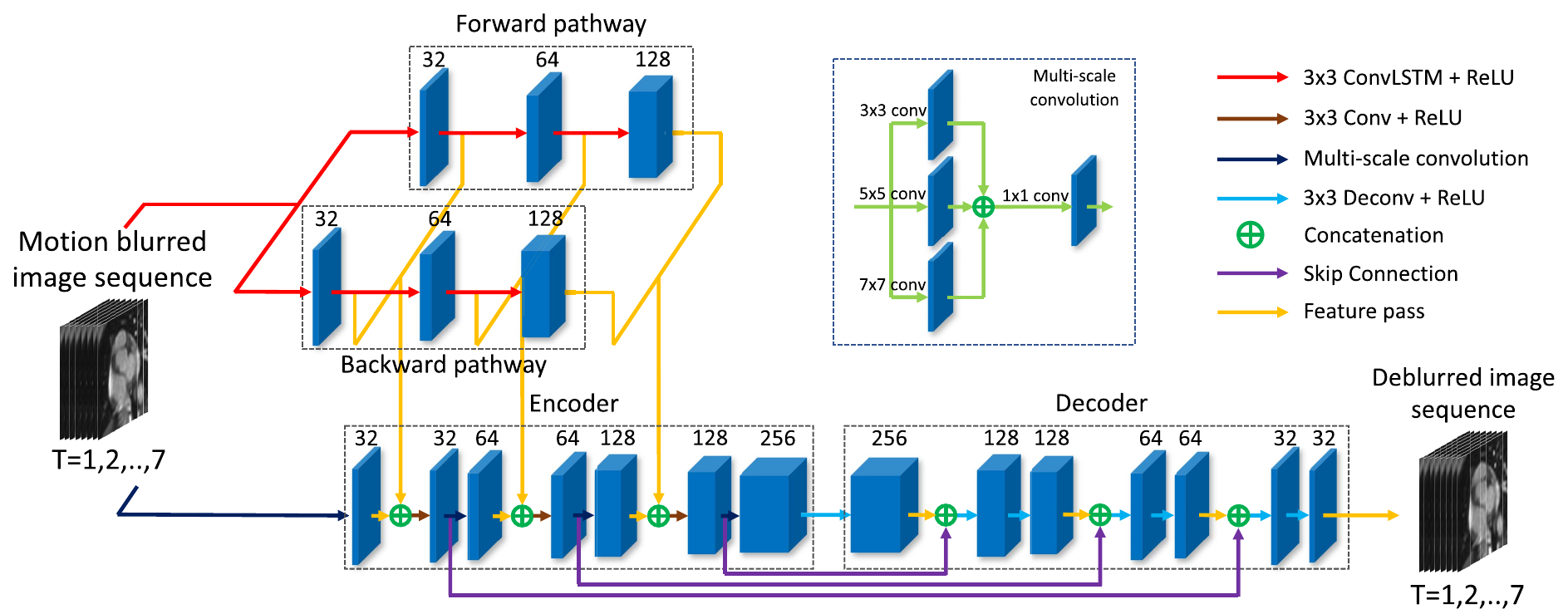
A recurrent generative adversarial network with bi-directional ConvLSTMs that removes motion artifacts from cine cardiac MRI and can generate missing frames.
IEEE Transactions on Radiation and Plasma Medical Sciences 2021
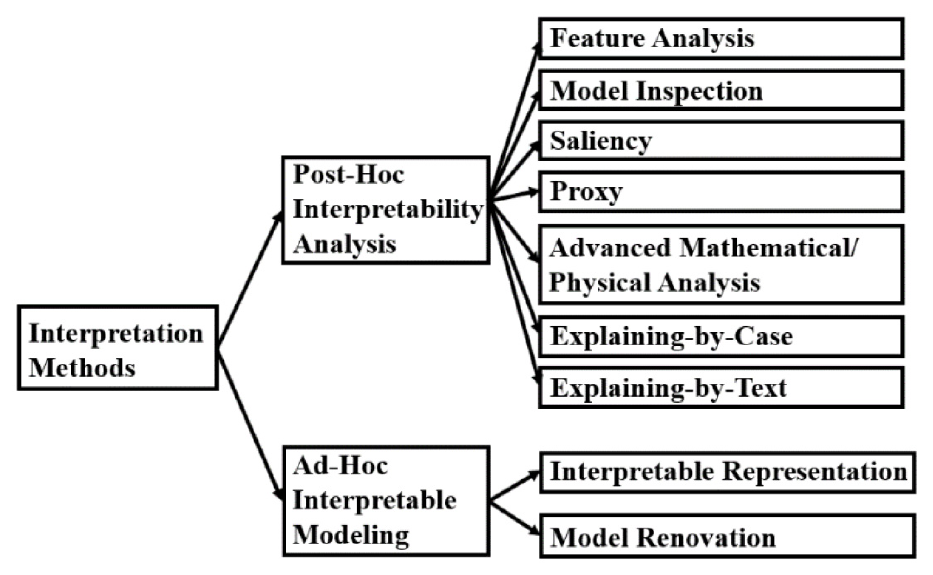
A survey that proposes a taxonomy of interpretability research for neural networks, with an independent evaluation of selected methods and a view on medical applications.
npj Science of Learning 2021
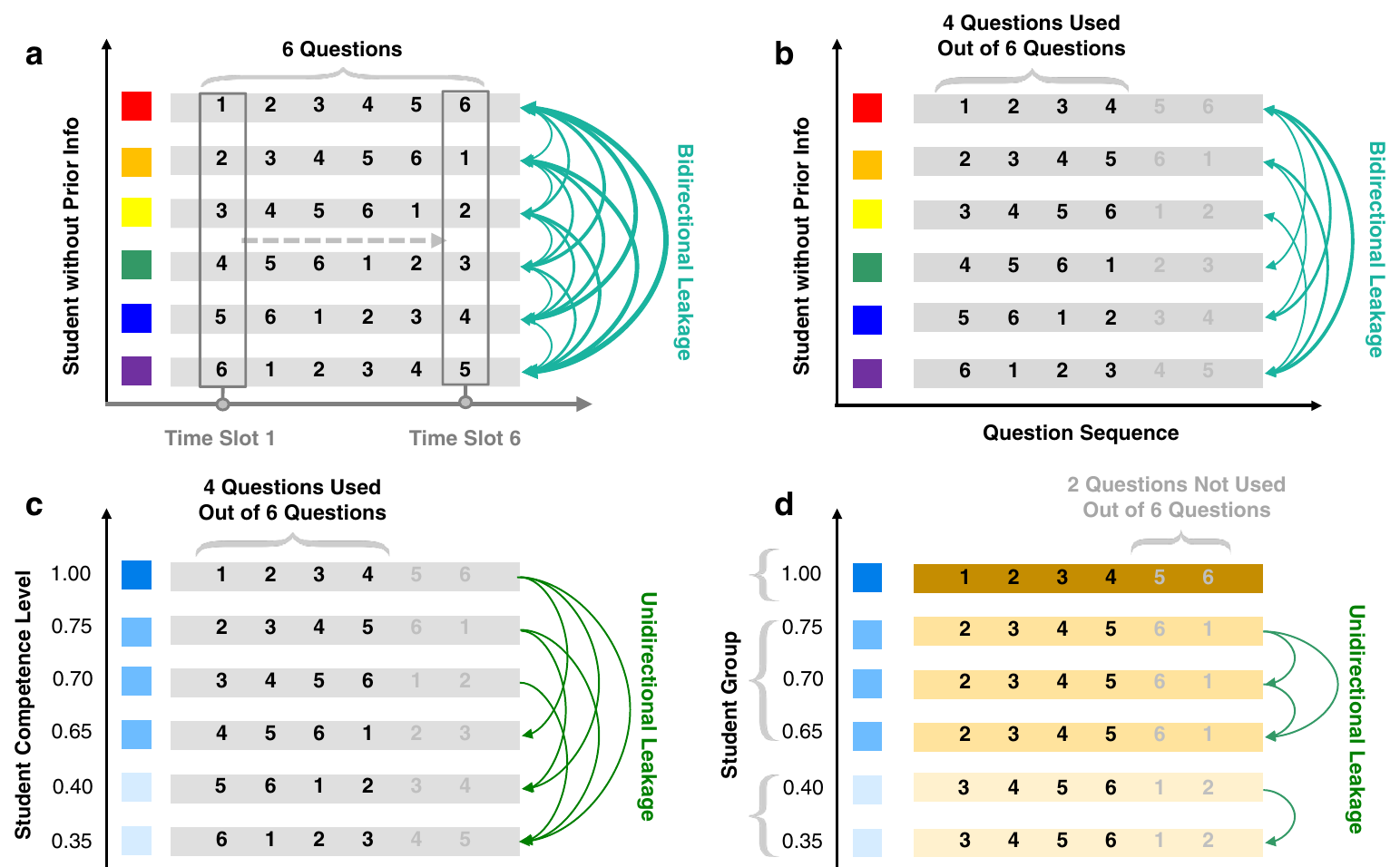
Optimization algorithms that sequence and assign exam questions so that collusion between students in online exams gains almost nothing.
5 projects
Visual Computing for Industry, Biomedicine, and Art 2020
Neural networks learn group moral preferences in the autonomous-vehicle dilemma from observed decisions, and are compared with a hierarchical Bayesian model.
European Conference on Computer Vision (ECCV) 2020
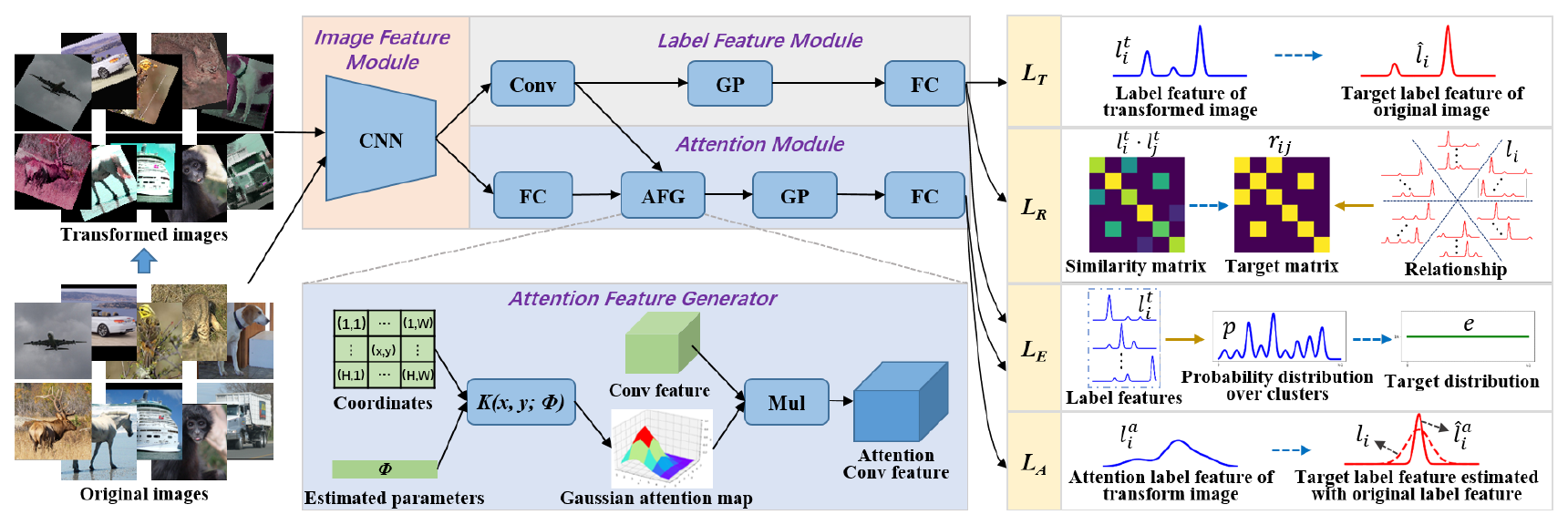
A self-supervised clustering network with a Gaussian attention mechanism that outputs semantic cluster labels directly, with no separate clustering step.
Patterns 2020
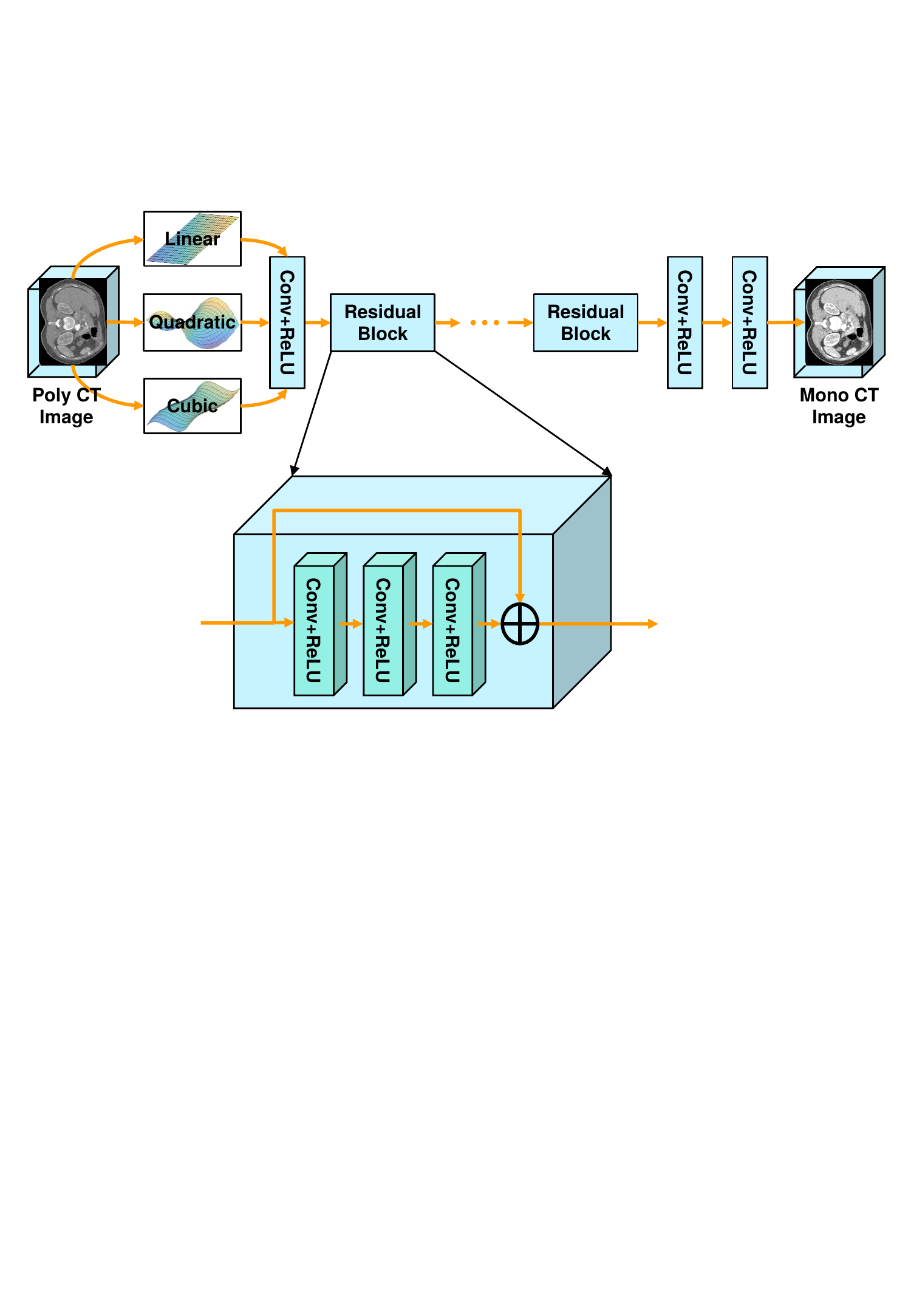
A residual network maps conventional single-spectrum CT images to virtual monoenergetic images, giving dual-energy-like information without a dual-energy scanner.
IEEE Access 2020
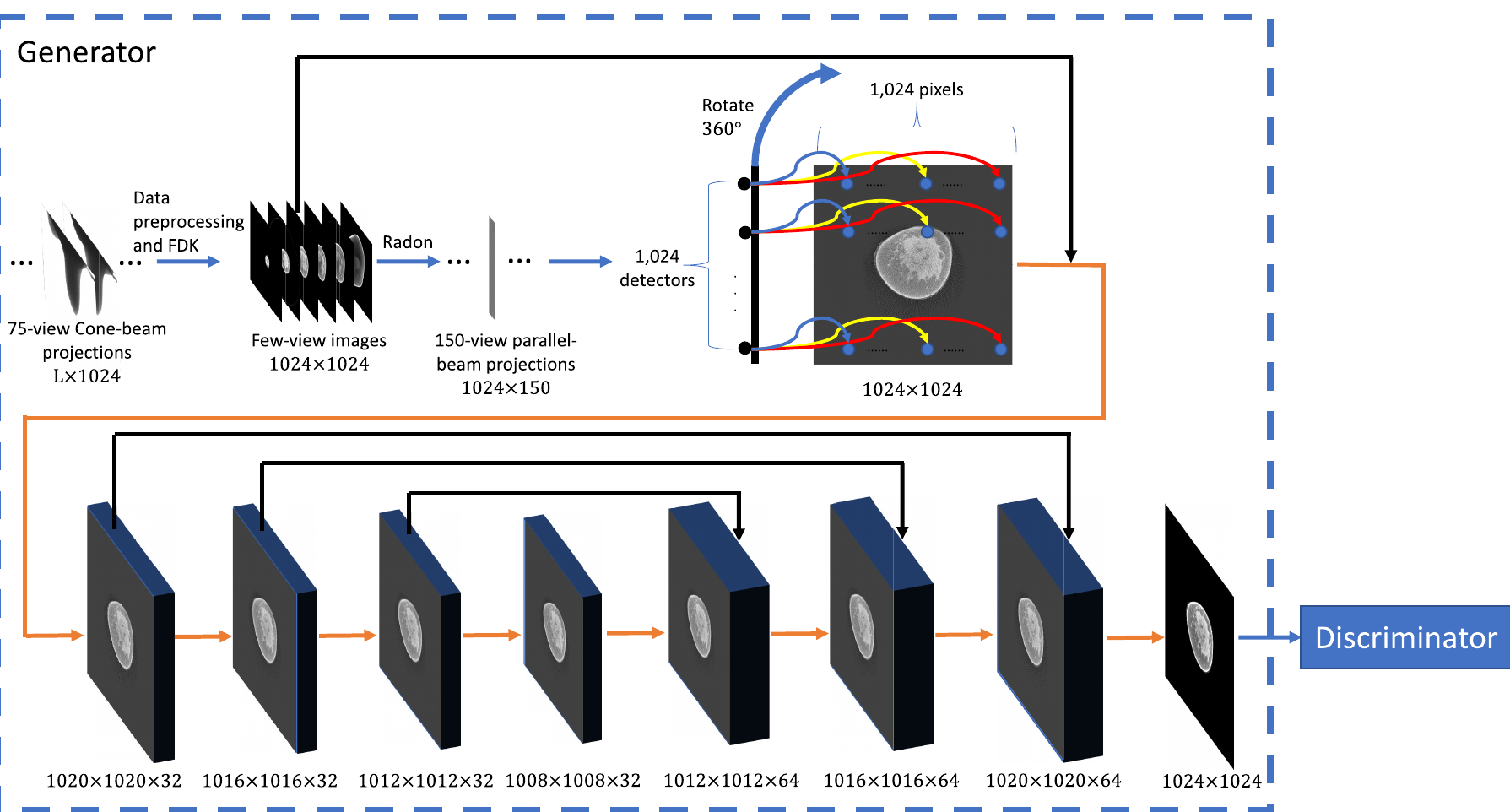
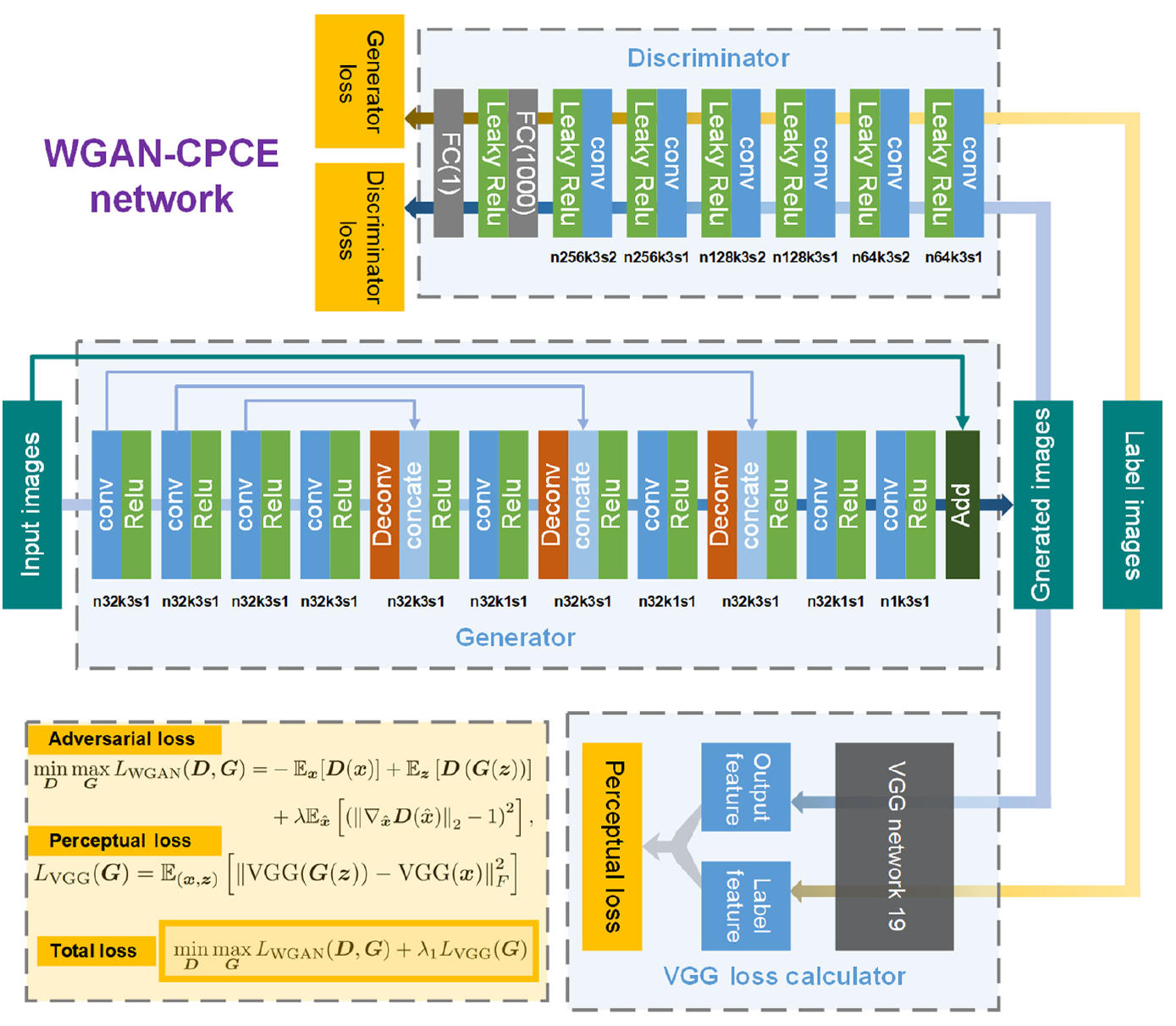
An end-to-end network that reconstructs breast CT images from few views with far fewer parameters than other methods that map raw data directly to images.
Journal of Nanophotonics 2020
A deep adversarial network, trained on physically simulated image pairs, that doubles the resolution of STED microscopy images.
2 projects
IEEE Access 2018
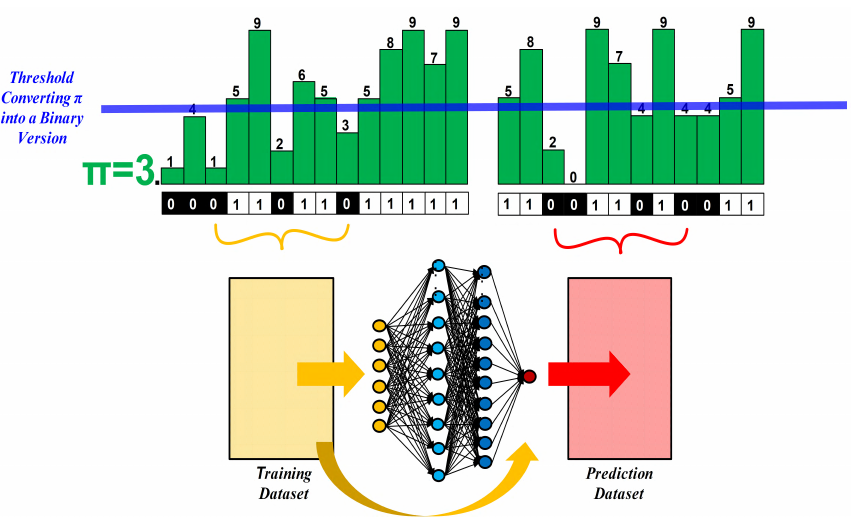
A simple neural network learns hidden correlations in pseudo-random data and predicts later events, suggesting a test for telling pseudo-randomness from true randomness.
IEEE Transactions on Medical Imaging 2018
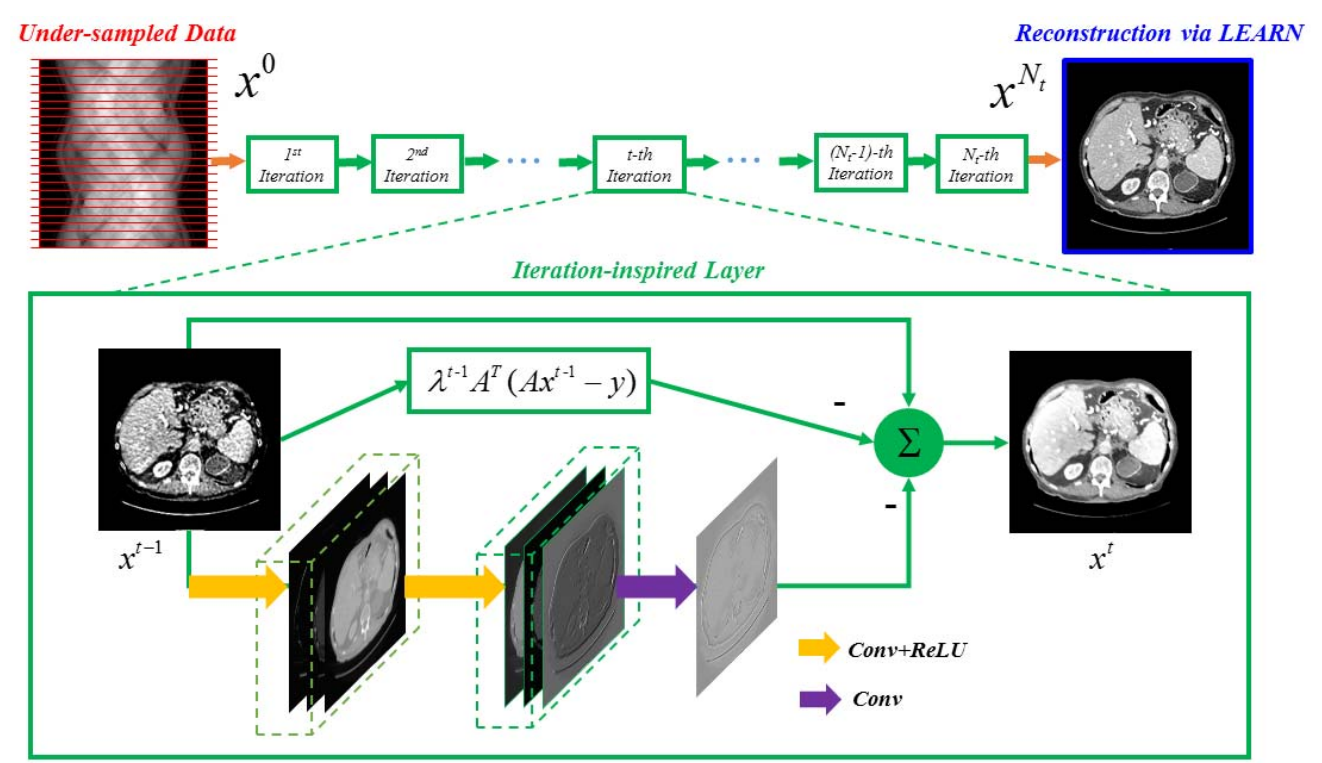
An iterative CT reconstruction scheme unfolded into a network, in which the regularization terms and parameters are learned from data.
No project matches that search. Try a method name, an author, a modality or a year.